At a Glance
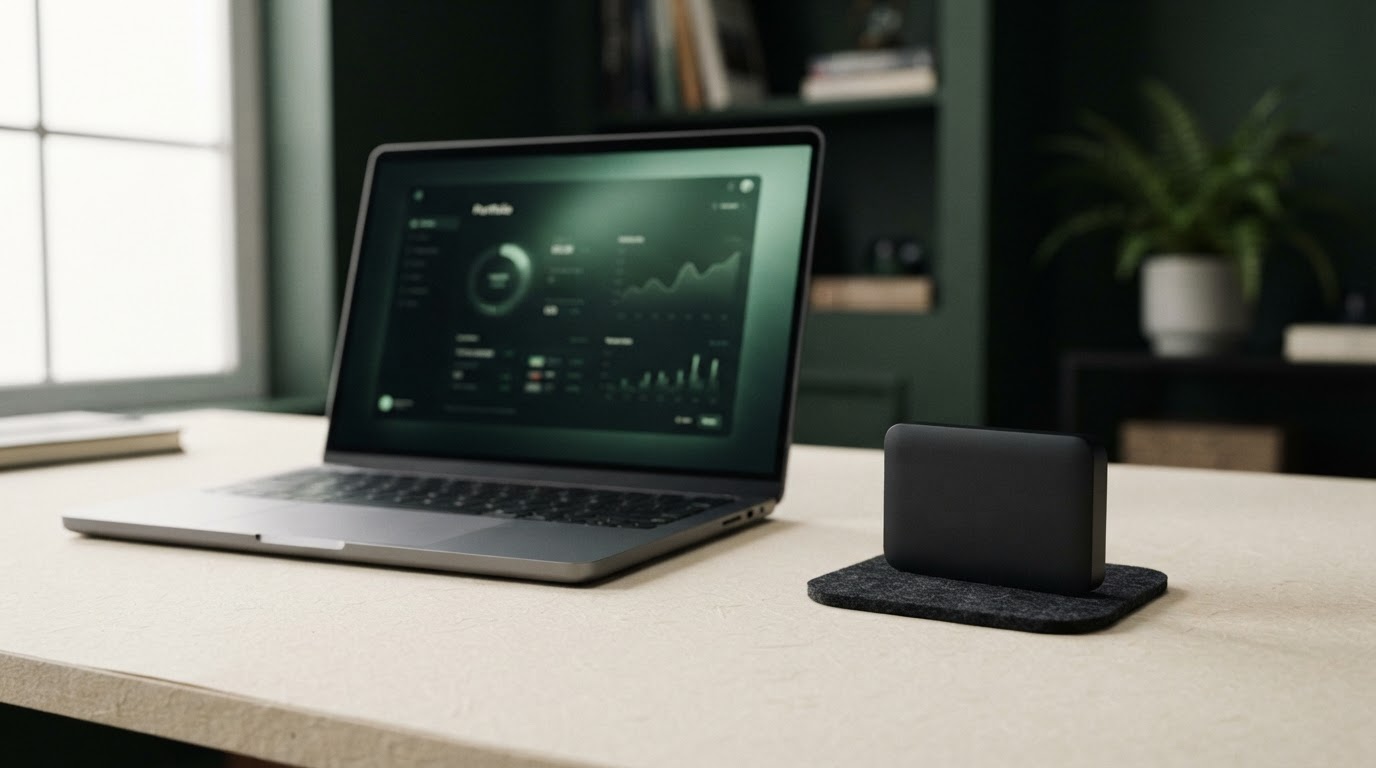
Ledger Live Desktop is the desktop software environment commonly used alongside compatible Ledger hardware wallets. It gives people a place to review supported accounts, follow balances and activity, and prepare certain transactions for device verification. The useful distinction for newcomers is simple: the app is the viewing and workflow layer; a connected hardware wallet is where sensitive transaction approval takes place.
Think of setup as a sequence rather than a race: obtain software from a verified source, understand the device’s recovery process, connect and check the device itself, then add only the accounts you intend to use.
The Desktop Starting Point
Before opening any wallet software, make sure your computer is one you control and keep its operating system reasonably current. When obtaining an application, navigate to the publisher’s verified website by typing its address yourself or using a trusted bookmark. Be wary of sponsored search results, unsolicited direct messages, and download links sent by strangers.
Have your hardware device, its cable, and a few uninterrupted minutes ready. If the device is new, follow the instructions provided with it and set it up privately. Recovery information is not a password-reset shortcut: it can restore access to the wallet, so it must remain offline and secret. Never type it into a desktop app, website, chat, or support conversation.
Inside the Desktop Experience
Most wallet companion apps organize work around a few familiar areas: a portfolio overview, individual accounts, activity history, and settings or device management. The overview is useful for orientation, but it is not a substitute for checking the account and network involved in a particular action. Balances and asset visibility can depend on supported networks, synchronization, and the accounts you have added.
A calm first session is best spent learning where account details and recent activity appear. Read labels before acting, and distinguish a portfolio estimate from a settled transaction record. Software interfaces evolve, so rely on the current in-app explanations rather than screenshots in old tutorials.
Connecting a Hardware Wallet
Connect the device using a cable and unlock it directly on the device when prompted. The desktop app may need to communicate with the device to identify or manage accounts; follow its current on-screen steps and pay attention to any confirmation shown on the wallet itself. A computer display is not the final authority for an approval.
When preparing a transaction, independently inspect the important details on the device screen—such as destination and amount—before approving. If those details are missing, unclear, or do not match what you intended, cancel and investigate. A cable connection does not make every request safe; deliberate device verification is the meaningful checkpoint.
Accounts & Portfolio
Accounts are separate views for assets associated with a particular network or account structure. Adding an account helps the app display its balance and activity; it does not mean that the desktop application holds your recovery phrase. Keep track of which account and network you are viewing, especially when names or asset symbols look similar.
Portfolio totals are convenient summaries, not guarantees of market value or a promise that every asset and network is supported. Prices can move, data can take time to refresh, and displayed figures may be estimates. For a transfer, verify the receiving network and address with the person or service you intend to use rather than relying on a familiar-looking label.
Security Desk
Protect the recovery information. Keep it private, offline, and in a secure physical place. Anyone who obtains it may be able to control the associated wallet. Genuine support should not need you to reveal it. Never photograph it, paste it into a form, or enter it to “synchronize” or “validate” a wallet.
Pause at unsolicited urgency. Messages about frozen funds, expiring accounts, or urgent verification are common pressure tactics. Do not follow links or install software from such messages. Close the message, open a trusted bookmark independently, and inspect the request from there. Support conversations should never ask for a recovery phrase or remote access to your computer.
Browse deliberately. Check domains character by character, avoid unknown browser extensions, and be cautious with QR codes and clipboard contents. If a transaction prompt appears unexpectedly, reject it and review what triggered it. A legitimate-looking interface is not proof that a destination or request is safe.
Maintenance
Keep the desktop application, device software, and computer operating system current through their verified update paths. Read update prompts before proceeding and avoid installers delivered through unsolicited links. Updates can change labels or workflows, so allow time to review release information and reconnect only when you understand the prompt.
Every so often, review the devices and accounts you use, check that your recovery backup remains private and physically protected, and revisit your browsing habits. Do not disclose recovery words while “testing” a backup. If something seems wrong, stop before approving anything and consult independently verified help resources.
Common Beginner Questions
Is the desktop app the same thing as the hardware wallet?
No. The app is a software interface for viewing and managing supported accounts; the physical device is used to hold keys securely and verify actions on-device.
Do I need to connect my device every time I open the app?
You may be able to review previously added account information without it, but device connection can be needed for account management or transaction approval. Follow the app’s current prompts.
Should I enter my recovery phrase into the desktop app?
No. Keep recovery information offline and secret. Do not enter it into an app, website, support chat, or form.
Why might an account or asset not appear?
Visibility can depend on the selected network, supported assets, synchronization, or whether the relevant account has been added. Check current official guidance before taking action.
Can a portfolio total be treated as a guaranteed balance?
No. It is a display and estimate that can depend on data availability and changing prices. Review the specific account and transaction details when accuracy matters.
Final Desk Notes
- Get software through a verified route; avoid unsolicited download links.
- Keep recovery information offline, private, and out of every app and chat.
- Check transaction details on the hardware device before approving.
- Confirm the account, network, and destination—not just the displayed name.
- Pause when a message or prompt creates urgency; verify independently.
- Maintain updates and revisit security practices periodically.
This independent educational guide is not published by, endorsed by, or affiliated with Ledger. Product interfaces and supported features may change; consult the publisher’s verified resources for current product information.